Posted in Managing Mental Health, Mental Health, therapy

Importance of Community for Mental Health

I find it very interesting how although there is a constant discourse around mental health nowadays, so many aspects of what affects our mental health and how we can support it are completely overlooked. That is of course just my opinion, but I do consistently find the most common narratives to be constricting, perpetuating unhelpful ideas, or simply not understanding the complexity of the issue. I think we are as a collective much more able to have and hold complicated conversations with contradictory ideas when we are given the space, the opportunity, and the tools. Life isn’t simple; society isn’t simple; mental health isn’t simple. 

One of the aspects of healing I am surprised doesn’t come up more often in a meaningful way is community. Community is essential to supporting mental health. And when we can build deep community bonds, we can find incredible new ways of healing. The kind of community I’m talking about I see as a connection deeper than many of the bonds we find in modern life. I see it as a return to genuine mutual care, sharing responsibilities, and responsibility to each other. Essentially, I see it as a big sidestep away from what I think can be a very individualistic and isolating culture nowadays. 

We do not live in the world alone. We are made to be interconnected and intertwined with nature and with other humans. We see it in our nature constantly – think of the incredible impact we are only just starting to see in children from lockdown; in a study on the addictive nature of cocaine found rats were less likely to become addicted if they had social connection; social pain itself (for example, pain from cruel words or rejection) suggests that we are evolutionarily wired for connection. All pain exists, from an evolutionary standpoint, to teach and warn us about potential danger. The fact that social pain even exists tells us that connection is a necessity, not a luxury. 

In a fundamental sense connection is vital to healing because it fulfils a basic need. If we then also look through the lens of our traumas, the rules and lessons (whether good or bad or neither) that we have learned throughout our lives and from society, we can start to see another level to how connection can help us in healing. Regardless of where mental illness originates, it has an impact not only on the person experiencing that distress, but others around them. And that distress undoubtedly impacts the way the person experiencing it views and senses their place in connection to others.

So often being misunderstood, harmed, isolated, ostracised etc etc are a part of or contributing factor to mental illness. They’re a part of a lot of social ills – homelessness, racism, school expulsions etc. Individualism is an important part of much of western culture. But numerous studies (and many people’s lived experiences, which are also very important) show us time and time again that isolation is damaging to mental health. This is not to say that a collectivist culture is the way forward either – several studies have found collectivist cultures to have lower happiness indices, while still other studies have looked at the complex nature of trying to measure happiness in collectivist cultures through a western lens and in the midst of ongoing turmoil etc… this is all to say that there’s a balance to this, as to everything. I am not espousing to try and forget individual nature. I am simply pointing out that we need more connection than what we’re getting at the moment. Connection is almost revolutionary in some ways. 

Community is a wonderful thing because it’s a moveable thing. Community is where we live, or who we love, or online groups, or 12 step programmes. Community is not easily defined, in my opinion, and so it is possible to continue to redefine. Simply asking the question of what community is and how to build it goes a very long way already. 

To me, community is love. Community is support, safety to make mistakes, safety to feel. To me, community means non-hierarchical. Personally that’s very important within a healing space because the power imbalance in a failed mental health system has caused me so much fear and hurt. So community healing is healing together. Sharing skills, sharing resources, sharing time and sometimes being the stronger one for others. I suppose I’m thinking about peer support spaces when I speak in this way; they have been instrumental for me. Terrifying to try for the first time because of how we’ve learnt not to feel safe in groups, but so many accessible and adapting peer support spaces are emerging now; it’s wonderful to see. Connecting with people with lived experience like you can be a transformational experience. 

Some examples of peer support spaces (of different structures and aims etc) are:

– @ peersupportspace on instagram (online groups)

– Bipolar UK peer support groups

– 12 Step Programmes 

Mad Art Club London

But the importance of community in supporting mental health (and healing with mental illness) is not just support directly related to our mental health. Like I already said, we are wired for connection. Finding meaningful ways to connect for whatever reason can have incredible healing power. Whether that be helping to create a community garden, co-working (very much similar to parallel play), sharing skills and hobbies, having ways to share resources in a community – it all matters. And it is all powerful.

I don’t know how articulate I’ve been here. It’s hard to put something I feel instinctively into words, though there is definitely research to suggest my gut feeling might have some merit. I can’t tell you how to be well; but I can tell you I care. I’ll leave you with these 3 questions to ponder today, whatever the answer may be for you:

  1. What does community look like to me?
  2. Can community support mental health? How?
  3. How is community built?
Posted in Managing Mental Health, Mental Health

Things I Wish Someone Had Told Me When I Realised I’m Bipolar

When I started having greater mood swings and episodes than the other kids around me, I was about 12. At 15 I was diagnosed with cyclothymia, and at 18 this was changed to Bipolar 1. I use ‘realised’ instead of ‘diagnosed’ because I knew what was going on with me long before diagnosis, and I don’t think diagnosis is the be all and end all. I hold the label of bipolar very dear to me, but through my own definition for what it means in my life. Bipolar disorder is an awful thing, and many people die from it. But through necessity to survive, having bipolar disorder has forced me to expand my view of myself, the world, creativity and more. And for that I am very grateful. 

I was also grateful to realise I was bipolar, but I do know this is not the experience for many people. Regardless of whether you are happy or not, or expected the diagnosis/ realisation, discovering that you have bipolar is a big thing. So here are some things I wish someone had told me/ wish I’d known when I realised I was bipolar. Whether I would have listened to them is a different issue, and the journey to discover them is something I wouldn’t trade for the world. However if you have been recently diagnosed with bipolar I hope maybe this list will help you make sense of it all. Please take what resonates and leave what doesn’t:

  1. Understand that you are the same person as before your diagnosis and any bipolar diagnosis is not a death sentence, it is completely manageable.
  2. You get to define what bipolar means to you. It is your label to claim or not, your language to choose if you use or not.
  3. Connect and learn from others.

I’m not talking just medical doctors, I mean real people with real experience, whether that be through peer support groups (which exist), reading books and biographies, learning about different mental health practices, nature, social media etc.

  1. Define what healing means for you.

This is so important – no one gets to tell you what healing looks like. It may never be the idea of healing society gives (and probably should never be given how the human body actually works even for neurotypicals). Maybe it is creating a life where you have the space to be less productive, or maybe it’s not no depression but shorter depression etc etc. If you define your healing, you will be ok.

  1. For practical things you can start right away:
  • Track your moods (I use the app e-moods)
  • Limit alcohol and drugs 
  • Keep a journal (can help work out thoughts and keep track), or have another self reflective practice
  • Start a gratitude practice 
  • Create routines – sleep in particular is often a very important thing to have routine around for bipolar people, although I am notoriously bad at it 
  • Connect with your body. Exercise is very good, but I also mean on a deeper level of learning how to listen to your body, where tension and trauma is being held and how to release it etc
  1. Research any medications.

Medication is often touted at the main treatment for bipolar disorder and I am not saying that is isn’t life changing for many, because it is, but many of the drugs have different effects and side effects that you may not be fully aware of before starting them, so please take the time to research independently if you can.

And also – you do not have to take medication. If a bipolar person stops or chooses not to take medication they are often seen as very unwell, unrealistic etc. Some are forcibly medicated. I hope to see an end to all forced medication one day. It is not right for everyone and you should be able to make that choice. But obviously please give it serious thought – and never come off medication without consulting doctors first on how to do so because withdrawals can be really damaging. 

It’s not a lot, but it is a start. Take it one day at a time and healing is possible. You are not alone. If you have any other questions please let me know! Sending love and support to you all today xx

Posted in Managing Mental Health, Mental Health, Personal Growth

What Grief Means To Me

Grief is something all of us will experience in our lives because death and endings are a part of life. And I suppose that can be a comfort, a way to make the grief make sense, but it doesn’t mean that it doesn’t hurt. However the idea of grief is something many of us associate solely with death; in this last year redefining what grief is for me has helped me to process it and let myself grow. Grief doesn’t just apply to the death of a loved one – it applies to the end of a situation, a relationship, a friendship. 

This post isn’t a deep dive into grief – the stages, the processes, the sharing and healing etc – there are so many wonderful resources out there already for that (although I would encourage anyone interested to also look for creative explorations and presentations of grief in art, theatre, literature etc because it’s so healing). This post is more like me outstretching my hand with my own experiences to tell anyone out there who might happen to stumble across this that it’s ok, I’ve been there too.

In the last year I have grieved a lot. And it hasn’t always been sad – I think most of us know grief isn’t like that. In fact, I didn’t even realise at first that I was grieving; being autistic I just thought I was having a hard time adjusting to change, and I felt a lot of shame around that, the need to just move on quicker. And, ok yeah, I do definitely find change difficult. But noticing and naming the grief has actually set me free a bit. 

In June I lost my home. I left in the morning and I never went back; I had no idea that would be my last time leaving that house. I don’t remember leaving, I don’t remember the last thing I said to that person, the last time my dog came to say hello to me in the morning – because you’re not meant to remember those things. I had almost no reaction for 8 months, and then an intense explosion of anger. Feeling sad about it is still hard. And for a lack of a reaction, I thought I had a lack of grief. But I don’t. It affected my ability to feel safe in the place I am living, always feeling like any moment it could be pulled out from under me, and with that came the grief. That uncertainty was my way through to grief. 

I also left my school, which I considered my home. And this was so hard to grieve because it seemed like everyone else moved on quicker and I was just stuck, but grieving school has been perhaps the most transformative experience of this year. It’s been my path through to expanding my sense of self, world, connection, and love. It also hurts. So if like me you are thinking you’re being too slow to move on from something, please know it is alright. You are allowed to take up space, to feel, and to go on your own journey. Even if it’s a positive step, leaving behind things that mattered so much to us is painful. And we do grieve things, situations and places – not just people. 

I believe the thing about grief is you can’t force it or rush it. The only thing you can do is allow it, without allowing it to consume you. It’s hard but life does carry on. Maybe joy and excitement and purpose won’t look the same as before, but you are allowed to redefine these things. 

This year I have grieved the death of my grandmother; the possibility of a relationship that could have been in the context of a death that will be; and perhaps strangest of all, I have grieved the living. All of these are complicated, all of them come with different challenges and presentations. Sometimes I feel shame because my strongest reactions are about a dog, or a place, rather than the person who has actually died. But really they all mix together in a way too; they link and lace around each other to become an imprint on me and my journey. I’m ok with that. 

Point is – there is not one way to grieve. There is not one situation in which grief appears. And all of us will grieve many many times in our lives. This is your journey to figure out, but not alone; we are connected in our love and our loss, however it finds us. 

Sending so much love and support to you all today xx

Posted in Managing Mental Health, Mental Health

Nature and Mental Health

I think the connection between nature and mental health is under-utilised. 

There are hundreds of studies out there looking at the proven positive effect time in and connection with nature has on our mental health, but I’ll be talking from a more holistic/ theorised place today. 

I think we have learnt to see ourselves as separate from nature, but the truth is we are part of nature. We breathe the same air as all animals, given to us by trees and plants. We are connected to the same ground as all flowers and vegetables, all fruits and roots. We are nature. We’re nature with opposable thumbs. So of course climate change affects us – not only on an intellectually anxious level, but a deep intrinsically natural level. Of course a sunset or a flight of birds can inspire us on an instinctual level. We don’t need to completely understand it, define it – of course at a scientific level that’s useful. But on an emotional level? I think just leaning into that connection can help set us free. 

The pace of the world we live in is in direct juxtaposition to nature. In the western world at least we run at what I think is an unattainable pace. The capitalistic society is intent on promoting not only individualism but also productivity. And we’ve learnt that productivity is a good word. The model citizen is a productive citizen – this really means blindly following the rules put upon us and always striving for more, at a faster rate. Not only does this harm us individually, but it is a driving cause behind the industries that are contributing most to climate change and destroying the nature we are so deeply connected with. So we are severed from the nature we are a part of, and told to keep busy enough that we never question the system we have become a part of; perhaps more importantly, in order to have the resources to survive we cannot question. We are placed in a deep survival mode, and often forced to be unaware of it. 

The next logical step would be to assume that a person with a mental health issue is individually at fault. A weakness in the mind, a personal problem. It isolates the sufferer further and gives the rest of the world and excuse to keep going as is. The common narrative surrounding mental health awareness continues to ignore, on the whole, how much societal and economic factors are contributors and causes of mental illness – and by extension how a lack of connection with our roots in nature is a contributing factor. It should be made clear I am not advocating for full blown communism or anarchism or anything like that – it’s not like we haven’t seen ample issues when those structures have tried to be deployed in the past! In fact I have very little idea how to face these issues on a wider scale. But I know how to face them on a smaller scale; I know where to start (I think) and maybe that’s enough for now. To start, perhaps we look to the pace of nature; to the connection we inherently have (but so often ignore) with nature and our fellow beings. 

Nature does not rush. It works at exactly the pace it needs to. In fact time itself is a structure we have projected onto the world to help us make sense of it – with very obvious reasons for helping us level our experience with each other. But what the construction of time can tell us is that though we may share hours between us, we can redesign what the contents of an hour should be. To explain: resting for an hour in the grass can be redefined to be just as important as furiously analysing stocks to meet a deadline. We can redefine what productivity means and looks like. Nature rests in winter – its pace changes to match the weather and the temperature, the presence of bees and hibernation of bears. And nature still survives. So by extension, perhaps we can learn to respect our rhythms. To work with the sun, to respect the rain, to rest when we are tired and flow when we are not. We are not machines – we do not have endless energy or an ability to always be running. We are not all designed to sleep and wake at exactly the same times each day. We are nature. Maybe we can learn from it. 

Then of course there is the simple benefit of being among other nature. As mentioned countless studies – and poems and songs and personal experiences in each of our lives – record the boost to our mental health when among nature. Simply taking time to sit under a tree and imagine our own roots connecting, or take a walk in the woods (if that’s possible – everyone should have access to green spaces), or swim in a lake, run through a field, watch the flowers in the breeze or the sea crash to shore. Simply taking the time, even if it is only a minute, to start learning how to just be again – alongside our nature – can have a huge positive impact. It can calm us, make us feel more connected, happier, lighter. 

Oh and by the way, this isn’t new or revolutionary. It’s been strategically forgotten and hidden. Native communities around the world have known this for such a long time; the colonial view of society and mental health has detached us from this. I’m not at all the person to be listening to on this perspective and this history  – but here’s just one article written by Indigenous writer Edson Krenak Naknanuk from Brazil about connection with nature: https://www.culturalsurvival.org/publications/cultural-survival-quarterly/indigenous-peoples-are-essential-rights-nature

As the article explores, a view to see nature as a part of us – something in a reciprocal relationship – is important when looking to solving climate change too. 

Remember – we all breathe the same air; we share a consciousness of being through nature. So why do we seek to intellectualise that connection always? How does that separate us from our connection with freedom of mental health? How can nature support us mentally, as a community and individuals?

Sending so much love and support to you all today xx

P.S. For a related science look at some of these topics I would recommend the book ‘Beyond Biocentrism’ by Robert Lanza and Bob Berman

Posted in Happy Notes, Managing Mental Health, Personal Growth, positivity

Gratitude Practice

How often do you take time to stop and appreciate life? Even when it feels like everything’s going wrong? It’s not a test, I just want to encourage you to honestly consider how often you purposefully notice the good in the world. How often do you pause? You might be the kind of person that never does this, or the kind that laughs it off as some more mindfulness nonsense (I know that word can get on my nerves sometimes). Or maybe you try but it’s too difficult, or you feel like you aren’t present enough, aren’t appreciating things enough, so you might as well not try because you’re not getting it right. Maybe sometimes you do this a lot and other times not at all. 

Personally I make a list at the end of every single day with things I’m grateful for. And some days I really deeply feel that gratitude – somewhere indescribable in my core. And other days I’m more like going through the motions. But I make this list every day, and I have for the last 617 days – since I started addiction recovery. I guess that’s kind of been helpful for motivating me to continue with the gratitude practice because I do kind of see it as a life or death thing personally – I either do the things that keep me sober or my life takes a serious turn for the worse. However, that’s not the only reason I do it; I’ve genuinely come to love what practising gratitude in specific (such a small thing) does in my everyday life. And looking back on my mental health journey I’ve realised it became an instinct for me to practise gratitude very early on – though I didn’t realise that’s what I was doing. And that’s interesting. 

When I started to recover from my first full-blown, 9 months long, very-not-good depressive episode, I started this little practice for myself. Every day I recorded: 3 good things I noticed in the world that day, 2 good things I did that day, and 1 good thing someone else did for me that day. They could be as small as I ate some food, or got out of bed (which are not always small feats at all), or someone said hello back, the colours of the leaves are changing on the trees etc. Sometimes they were much bigger than that of course, but actually the best emotional rewards came out of finding those tiny little things to list every day, especially on the days it felt like there wasn’t anything good in the world. I realise now I had created for myself a sort of gratitude practice. 

This came about because at one of my very lowest points, in a desperate attempt to help myself (I was essentially in a headspace of ‘this has got to work or there is no hope left’) I came up with the idea to write two lists. First I wrote a list of all the good things in the world – with the caveat that I didn’t have to think they were good at the time – because nothing seemed good at the time – I just had to have thought they were good/ fun/ not utterly miserable at some point in time. The second list was all the things I would never get to do if I wasn’t around anymore. And something incredible happened while I was writing those lists. Half way through writing the first list I started to realise I wasn’t just remembering things that used to feel good, I was actually starting to feel a faint sense of happiness about these things in the present. Half way through writing the second list I realised I wasn’t listing things I would never get to do, I was listing things I wanted to do in the future. I could actually, faintly, see a future and feel joy. 

It’s interesting to me looking back for several reasons:

  1. My natural instinct when searching for something to help me was to practise gratitude
  2. Practising gratitude had an immediate effect 
  3. Despite not wanting to do many things, I wanted to continue to practise gratitude 
  4. Practising gratitude consistently actually started to change my perspectives on the world and allowed me to be able to take a step back when things got tough again. It essentially created and trained a little voice in my head that no matter how bad things got was there whispering that it would be ok, that not everything was awful

My instincts for survival and healing are fascinating to me because as someone who slipped through cracks of the mental health system, I find them a practically spiritual thing that came to me in depths of hurt. Of course that might not be the way you look at it, and gratitude has been proven in multiple studies to be a powerful tool, but for me the fact that I automatically reached for gratitude suggests that there must be powerful forces of ‘good’ and love in the universe. 

Fast forward a few years and I found myself in addiction recovery, where practising gratitude daily is a foundation of healing. That’s where I realised that what I had done those years before in creating those lists was practising gratitude. So I started doing it again, listing things I am grateful for every day, and in fact sharing them with others – another very healing exercise. Being grateful doesn’t mean we ignore the hurt and wrongdoing in the world, nor does it mean we have to settle for the way our lives are currently. But it does allow us a stable basis to build from; a calm to return to. And it really increases how wonderful the bright things in life feel!

From a scientific standpoint gratitude has been proven to yield many benefits. Here are just five:

  1. It improves empathy and reduces aggression 
  2. It helps improve sleep 
  3. It boosts self confidence 
  4. It strengthens relationships with family, friends, and romantic partners 
  5. It aids the immune system 

Personally it grounds me, makes me feel connected to the wider world, helps me feel more peaceful and content, and takes me out of my thoughts. 

I encourage everyone to try practising gratitude daily for a few weeks, and see how it affects you. If a few weeks seems like too much, then just start with today. The very simple way to practise gratitude is to simply ask yourself the question: What am I grateful for? Allow any thoughts, images and feelings to arise, and try not to judge them. It might help to take a deep breath and sit somewhere quiet – or it might help to have something to entertain your hands like a fidget toy, depending on how your brain works (it’s stuff that gets said a lot, I know, but it is actually helpful). 

Here are some questions to ask and ways to record your gratitude practice:

  • You could try writing out a list of 10 things you’re grateful for; that’s what I do most often
  • You could do a mind map 
  • Illustrate some things you’re grateful for 
  • Make a moodboard on pinterest or from magazine clippings 
  • Ask, what is a kind thing someone else has done for me today? What are the kindest things people have ever done for me?
  • What brings me joy? What used to bring me joy as a child?
  • What makes me smile? 
  • What are the three most important items to me?
  • Who are influential people in my life?
  • The possibilities are limitless 

I really hope you enjoyed reading this blog and that you give some gratitude practice a go! Best thing is it’s not a new skill, it’s something you’ve likely felt many times throughout your life – all we’re doing is tapping into an emotional tool with intentionality. Let me know your experiences in the comments below!

Sending love and support to you all today xxx

Posted in Advocacy, Managing Mental Health, Mental Health

Reframing Healing

We receive a lot of messages, consciously and subconsciously, about what healing is. I have my own opinions, some of which will be evident in this post, but I think one of the most important things to keep in mind is what does healing mean to you? There may be limitations to our ideas of a dream life, because we don’t live in a vacuum, but only you get to decide what your healing actually means and looks like. Unfortunately it’s something that is quite overlooked in a lot of mental health spaces, and we’re not often encouraged to really define it for ourselves. But that doesn’t mean we can’t. 

Personally, an important part in redefining healing for myself has been understanding what I’ve been taught about healing. A lot of what I’ve learnt is to see ‘getting better’ as this hyper-individualistic thing. We’re told that ‘getting better’ is about becoming a productive member of society again, going back to work full time, having more output, and living up to the expectations placed on us. A lot of therapy is often about this idea – it’s about mitigating the factors that get in the way of productivity rather than fostering genuine happiness. The idea of compliance and non-compliance in the mental health system is a huge part of reinforcing this and getting in the way of anyone who needs to stop and question whether this striving for efficiency under societal norms is actually what they need. 

We don’t live in a vacuum, so I think it’s only logical to suggest that we don’t heal in a vacuum either. And yes it is possible to have personal peace without those around you experiencing the same, but that’s not to say our healing is entirely individual. We are connected; we are even a part of nature. When bears hibernate or trees shed their leaves we don’t look at them and say they should be doing more, they should be doing better; we understand that they are in a season of their life. Yet we so often fail to extend this same understanding and grace to ourselves. We are a part of nature too, and so we are connected to those around us and every part of the world around us. It is only logical to think we should lean into this connection and these seasons to find peace. So I would say healing is community. Healing is working together. Not in order to fix or mend one broken individual, but to recognise what in our living, breathing system of life contributed to their pain in the first place, and to heal all of us. I’ve found that when I am held by a community, only then am I able to find my own inner peace. 

We also seem to see healing as this end destination – we arrive at ‘healed’ and then we continue there as before… until maybe we need to be healed again. But I don’t see it like this. Healing is an ongoing, every day process for me. Just like I see myself as a continually ‘recovering’ alcoholic, I also see myself as a continually ‘healing’ person. Partly because there are new challenges to life every day; partly because I have chronic mental illness; and partly because I see healing in a larger sense too, one of societal healing. That can be hard to conceive sometimes, or to not get wrapped up in. But I see it as a source of hope rather than a drain of hope. A source of power. That healing, as an ongoing, everyday practice, also means trying to help others and be connected with their struggles. Trying to learn how we can all work together to do better, to build better infrastructure, to break the chains and patterns of the past, to move forwards.

So what does healing mean to you? Does healing mean connection? Does healing mean going back to the life you had before? Or is that just the easiest life to imagine? Does healing mean productivity, or does it mean inner happiness and peace? What do you need to see that realised? Is healing individual, or collective, or aided by the collective? Is healing a destination or a journey? 

I’m not saying there’s one right way to redefine healing. It is personal in how it manifests in our lives, but the very fact that so many out there are healing and recovering shows that while it is personal, it is not individual. And I think the mental health system needs to recognise that too. 

Sending all of my love and support to you today xxx

Posted in Happy Notes, Managing Mental Health, positivity

100 Good Things in The World

I’ve made a previous post on reasons to stay alive, which you can read here, but I wanted to create another list of good things in the world. It’s like a list of reasons to live, but also a list of reasons to be grateful (a very important practice in my life), and a list of reminders to see the little good things in life when things get rough or stressful. Use this list to find a moment of pause in your day to connect with some peace, and let yourself connect with the goodness in this world. There’s a lot of issues and sadness, and we can’t ignore that, but sometimes we do need a moment to escape the pressure. 

  1. Potatoes – they can be cooked in so many different ways!
  2. The smell of the air after it’s rained 
  3. Crunchy leaves 
  4. Handwritten letters 
  5. Listening to the sound of the sea in seashells 
  6. Chameleons – they literally change colour, that’s insane!
  7. The amazing activists and advocates trying to create a better world for us full of hope 
  8. The internet. It’s really quite incredible if you stop to think about it
  9. Video calls allowing us to see each other and connect from afar 
  10. Really soft fluffy blankets 
  11. All the different kinds of music and how all of us can find different pieces beautiful 
  12. Board games 
  13. Deck of cards – how many different games and tricks you can do, and how they’re unlikely to ever be in the same order!
  14. Snow under your feet 
  15. Sledding down a hill 
  16. Laughing until your belly hurts 
  17. Hats.
  18. The northern lights – they’re like magic!
  19. How many different languages exist 
  20. The top of ice cream before anyone takes a scoop 
  21. Really cold water on a hot day 
  22. A cat’s purring 
  23. Bluetooth 
  24. The smell of old books 
  25. The smell of new books 
  26. The smell of freshly mown grass 
  27. The smell of freshly baked bread 
  28. Pretty sparklers and fairy lights 
  29. The Fibonacci sequence 
  30. Those random acts of kindness from a stranger that brighten a day – like letting you go first in line, offering a tissue, holding a door 
  31. Dogs little paws and toe beans 
  32. Bubbles 
  33. How many different flowers there are! 
  34. The miracle of ecosystems in nature 
  35. The feeling of floating in the sea 
  36. Building sandcastles 
  37. Clouds at sunset when the light illuminates them 
  38. Hugs
  39. The amazing scientific advancements being made every day 
  40. Shooting stars 
  41. Book clubs (or any kind of community club, it’s so lovely to get together over a shared love and interest) 
  42. Amateur dramatic theatre – it’s totally about doing what you love together, no other reason! 
  43. Magnets (just so fun to play with and the science is actually very cool)
  44. Charity shops and thrift stores
  45. People sharing their knowledge and encouragement on the internet 
  46. Pillow fights 
  47. Water fights (why stop doing the things you loved as a kid just because you’ve gotten older) 
  48. Electricity
  49. Beautiful trees 
  50. Daisies close up at night like they’re going to sleep
  51. Sunflowers turn to face the sun 
  52. The colours of leaves changing in autumn
  53. Teddy bears 
  54. The infinity of imagination 
  55. Community gardens 
  56. People being brave enough to live their truth and share their stories every day even though it may be dangerous or stigmatised 
  57. Libraries (they offer the gift of reading to so many more people)
  58. The word ‘serendipity’
  59. Public transport linking us easier 
  60. Funky hair dyes (and the amazing things people do with them)
  61. Fidget toys and logic puzzles 
  62. Hilarious movies we can bond over and laugh at 
  63. Free education (hopefully one day equal and free education will be available to all)
  64. Poetry that reflects our own experiences and feelings 
  65. Funny animal videos 
  66. Free guided meditation videos 
  67. Peer support groups 
  68. Smiles 
  69. So much art and creativity in so many different forms that connects us, reflects and shapes culture, and inspires 
  70. Calculators you can type rude words on 
  71. AAC communication devices allowing nonverbal people to communicate easier 
  72. Medical and emotional assistance animals 
  73. Hot chocolate (or your other favourite warm drink)
  74. Colour changing lights, they are so cool 
  75. Written letters 
  76. Messages of kindness from strangers posted online or scrawled in public everyday 
  77. Blue tac 
  78. Glasses and hearing aids – imagine what it was like before we had them!
  79. Apps for so many different things, making knowledge and the world more accessible for many
  80. Woodland walks 
  81. Friendships
  82. Love is all around us in so many different forms
  83. Dad jokes 
  84. People donate blood to save others every day 
  85. Audiobooks making reading more accessible 
  86. Picnics
  87. Pizza – circle shape, in a square box, cut into triangles 
  88. Alcohol-free alternatives 
  89. Fluffy socks
  90. Showing gratitude 
  91. Bird song in the morning
  92. Finding a penny on the ground
  93. Running through sprinklers 
  94. Feeling of popping bubble wrap 
  95. Hearing a song you used to love and had forgotten about \
  96. Seeing an old friend for the first time in a while and picking up like you only saw them yesterday 
  97. When you have a really cool dream and you can remember it when you wake up 
  98. Eating breakfast food at night or dinner food in the morning 
  99. That cosy feeling when it’s rainy outside but you’re warm inside 
  100. There’s always more tomorrows
Posted in Managing Mental Health, Mental Health, Personal Growth, therapy

Types of Therapy

Let’s start today’s post by busting some myths about therapy – scroll down to find out more about all the different kinds of therapy out there! (Spoiler alert – there’s lots of them!)

Myth: Therapy is only for people with a mental illness

Truth: While therapy can definitely help people facing mental illness, it can also be really helpful for anyone by providing a space to express and explore emotions and situations 

Myth: There is only one kind of therapy 

Truth: There are lots of different kinds of therapy that address different experiences, work better for different people, and approach therapy from a different angle. If you haven’t found what’s right for you yet, it doesn’t mean it isn’t out there! 

Myth: Therapy is only in person 

Truth: Some therapists provide online or telephone support instead or in addition to in person therapy! 

Myth: All therapists are the same, it doesn’t matter who the therapist is

Truth: The individual therapist and your relationship with them is extremely important and can vary hugely – it took me a long time to find the right person for me 

Myth: Going to therapy is something you should hide 

Truth: there’s nothing shameful about going to therapy 

Myth: Therapy is accessible to everyone 

Truth: Currently therapy is not equally accessible to everyone, and this needs to change. It can depend on location, financial situation and identity (for example) as to how accessible it is. However the NHS, charities, insurances and local initiatives do offer certain kinds of therapy and support so it’s definitely worth looking into what’s available to you! 


Now here’s an introduction to the kinds of therapy available. If one sounds appealing to you, or like it would be a good fit for you or a loved one, I would encourage you to do some more research on it and have a look to see who is available to deliver that kind of therapy in your area. 

CBT 

CBT stands for cognitive behavioural therapy and is one of the most popular/ available therapies out there – for example the IAPT services in England (Improving Access to Psychological Therapies) only offer CBT. It’s based on the idea that thoughts, emotions and physical sensations are linked and that negative thoughts lead to negative cycles. It centres around  learning to break these thought patterns in practical ways, so is therefore more focused on changing the way you’re feeling in the present or with behaviours in a particular situation rather than a deep dive into past experiences, for example. 

Many people find CBT to be of great help, but for some people it just doesn’t click. If you are neurodivergent and thinking of trying CBT I would definitely recommend trying to find a neuro-inclusive CBT service, as from personal experience the typical delivery of CBT is much more focused on a neurotypical thought pattern – however that is only my opinion! 

The great thing about CBT’s popularity is that the structured skills it provides to deal with thought patterns, along with its basic concepts are now widely available for free. So if therapy isn’t viable/ comfortable for you at the moment then you can still learn some skills to implement. My personal favourite app to learn CBT skills is called Woebot. It’s laid out in an easy to explore and pleasing format, and you learn the skills from a cute little robot therapist. Definitely worth a look if you’re thinking of learning some more about CBT. 

DBT

This next acronym stands for dialectical behaviour therapy. It’s based on CBT, but it’s specially adapted for people who feel emotions very intensely. Personally I liked this therapy more than DBT not because I am someone who experiences intense emotions (which I definitely am) but because of the way it was structured. It just made more sense to me personally. 

DBT is often used to treat personality disorders and was originally developed for borderline personality disorder (a somewhat controversial condition), and has had success helping mood disorders, self harm, and suicidal ideation. It works in a way like CBT to break negative cycles and make positive changes, but also focuses on accepting who you are at the same time. A DBT therapy programme can be more intensive and involve group sessions also, however individual therapists using DBT skills can also be found. 

Counselling

Counselling is often seen as less ‘deep’ than therapy, but this isn’t necessarily the case. For some people (me included) the idea of counselling – talking with a therapist about an issue or your ongoing life, rather than focusing on specific structured skills  – is really beneficial. With this kind of support though I think it’s perhaps even more important that you are comfortable talking to the counsellor, particularly if it is longer term, as your relationship with them is central to the strength of the conversations. 

Many people also see counselling as a more short term therapy, but to me this is counterintuitive. Finding a therapist to build a long term, ongoing conversation with gives us a space to express our feelings about our daily lives and mitigate problems before they arise. Unfortunately ongoing therapy is rarely available through the NHS currently, but I hope to see that change soon! 

Many therapists will be able to provide either counselling or more focused therapy, so it’s worth asking for a mixture of sessions/ approaches if you think that might work for you. 

EMDR

EMDR stands for eye movement desensitisation and reprocessing. It is designed to help alleviate and process the distress caused by past traumatic memories and experiences, and is quite different from the other therapies mentioned already. During the therapy the patient will briefly revisit the traumatic memory in a sequential (and guided) way whilst also focusing on external stimuli. This external stimuli is often the therapist directing the patients eye movements laterally, but could also include other variations such as hand tapping and audio input. It’s thought that this allows accessing the traumatic memory network in a way that kickstarts further processing and new positive associations. It allows for total processing, relearning, better present memories and more by activating your natural healing process and removing blocks. The process is highly structured and includes evaluation for readiness for EMDR, exploration and explanation of current symptoms, and making sure you have several tools to handle emotional stress. EMDR was initially designed to help patients with PTSD, many from army settings, but is now helpful for a variety of people with different symptoms and experiences. If this sounds like it could be helpful for you I would definitely recommend researching this incredible form of therapy further!

Psychodynamic Therapy 

This kind of therapy is derived from psychoanalysis and the theories of Freud. It focuses on helping you understand how your current feelings and behaviour are shaped by your past experiences, along with your unconscious mind and impulses. It could be said that this kind of therapy focuses more on interpretation and the perspective of the client than a singular ‘problem’ like in CBT. Like all therapy the relationship with the therapist is very important, but this is one of the therapies where it is even more pronounced as it may involve discussing childhood memories, relationship with parents, etc. Psychodynamic therapy may even be what comes to mind when you first think of therapy! It’s less structured than DBT or EMDR for example, and many therapists will allow for free association in sessions (discussing whatever comes to mind). Some therapists may also combine this approach with others, so it’s worth having a look at what’s offered. 

Interpersonal Therapy

As the name might suggest, interpersonal therapy focuses on a patient’s relationships with those around them. It looks to improve relationships in their life to alleviate symptoms, because a central idea in interpersonal therapy is that psychological problems can be understood as a response to current everyday difficulties in relationships with other people. It is structured; time limited; focuses on the present; aims to improve interpersonal communication, functioning, and social support. If you are struggling with interpersonal relationships in general or specifically with family (for example) and you feel this is causing difficulties, then interpersonal therapy might be a good idea to help!

Gestalt Therapy 

This is another kind of therapy that focuses on a client’s present life rather than past experiences, so will be more effective or relevant to some than others. It also revolves around taking responsibility rather than placing blame. Like psychodynamic therapy it involves the idea of perception – exploring how a person understands the world around them, and the context of their whole life. It operates on a basis that rather than purposefully digging up past experiences, as a client becomes more self aware they will start to overcome existing blocks. It is a less structured form of therapy. 

Art/ Drama/ Music/ Animal Therapy 

Ok I’ve lumped these all together because they essentially include a common theme of using a creative medium or a way of connection to work through difficulties. Art therapy involves expressing emotions and ideas through art for example, and animal therapy involves spending time around animals which can be very calming and help with empathy etc. Different therapists using another medium in therapy may have different approaches. For some it may just be about letting the patient self-direct and spend time engaging with music, animals etc. Others may still use structured approaches or conversational exploration in conjunction with mediums as an extra tool for expression, learning, or helping a client relax so that therapy is more accessible. Talking to a therapist to ask about their individual approach before starting is a good idea. 


There are even more types of therapy than the ones mentioned above, and many things to think about when choosing a therapist or kind of therapy. Unfortunately therapy, or different kinds of therapy, are also not equally available. If you can please consider donating to local funds to support others on their healing journey, and write to your MP to demand change in the system. If you found this post informative or helpful please also follow this blog to support any work and get notified of future posts. Let me know if you have any questions in the comments below

Have a great day!

Sources: 

https://www.nhs.uk/mental-health/talking-therapies-medicine-treatments/talking-therapies-and-counselling/cognitive-behavioural-therapy-cbt/overview/

Sedated: How modern capitalism created our mental health crisis, by James Davies 

https://www.mind.org.uk/information-support/drugs-and-treatments/talking-therapy-and-counselling/dialectical-behaviour-therapy-dbt/

https://www.nhs.uk/mental-health/talking-therapies-medicine-treatments/talking-therapies-and-counselling/types-of-talking-therapies/

https://www.emdr.com/what-is-emdr/

https://www.bacp.co.uk/about-therapy/types-of-therapy/eye-movement-desensitisation-and-reprocessing-emdr/

https://www.bacp.co.uk/about-therapy/types-of-therapy/psychodynamic-therapy/

https://positivepsychology.com/psychodynamic-therapy/

https://www.camh.ca/en/health-info/mental-illness-and-addiction-index/interpersonal-psychotherapyhttps://www.verywellmind.com/what-is-gestalt-therapy-4584583#:~:text=Gestalt%20therapy%20is%20a%20form,considering%20the%20challenges%20they%20face.

Posted in Managing Mental Health, Mental Health, positivity

5 Books on My Mental Health Journey

I’ve always loved reading, so today I wanted to share with you 5 books that have been incredibly important to me in my mental health journey as a teenager dealing with mental illness. Let me know what books have been impactful in your journey in the comments below – I would love to hear about them!

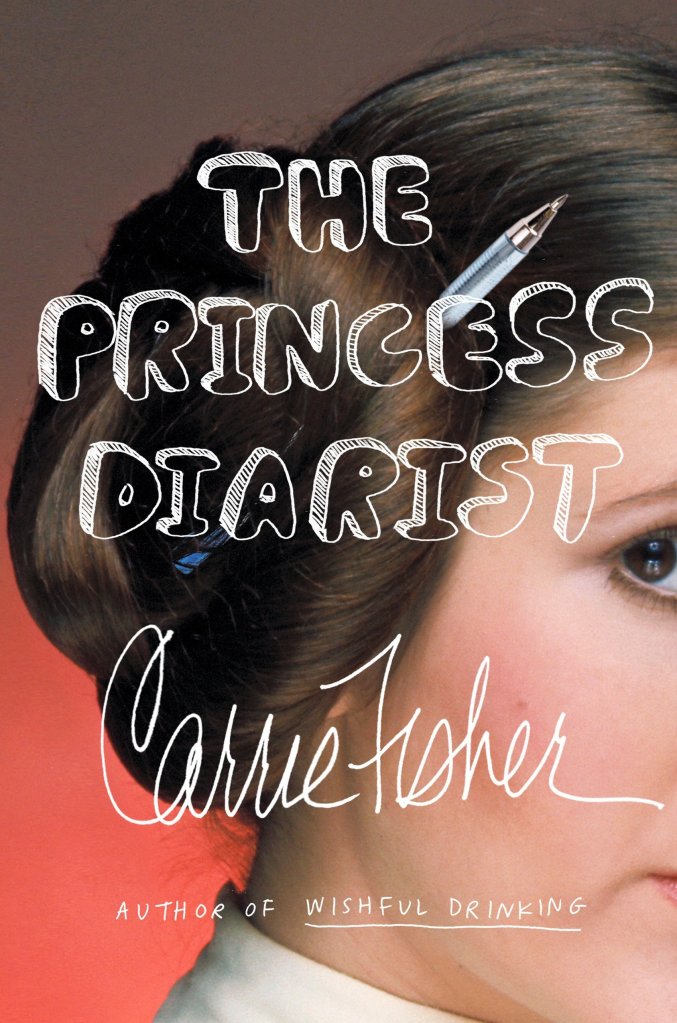
  1. The Princess Diarist by Carrie Fisher 

This book isn’t actually specific to mental illness, but it introduced me to Carrie Fisher – an incredible Bipolar disorder and addiction advocate – and that changed my life. 

When I found this book I felt very alone and unseen, but reading this was like seeing my brain laid out on a page. Someone else thought like I did, felt like I did. I’ve gone on to read all of her other books which range from entertaining to informative. And they are all hilarious. Carrie Fisher’s ability to turn a phrase is totally unique and unrivalled. 

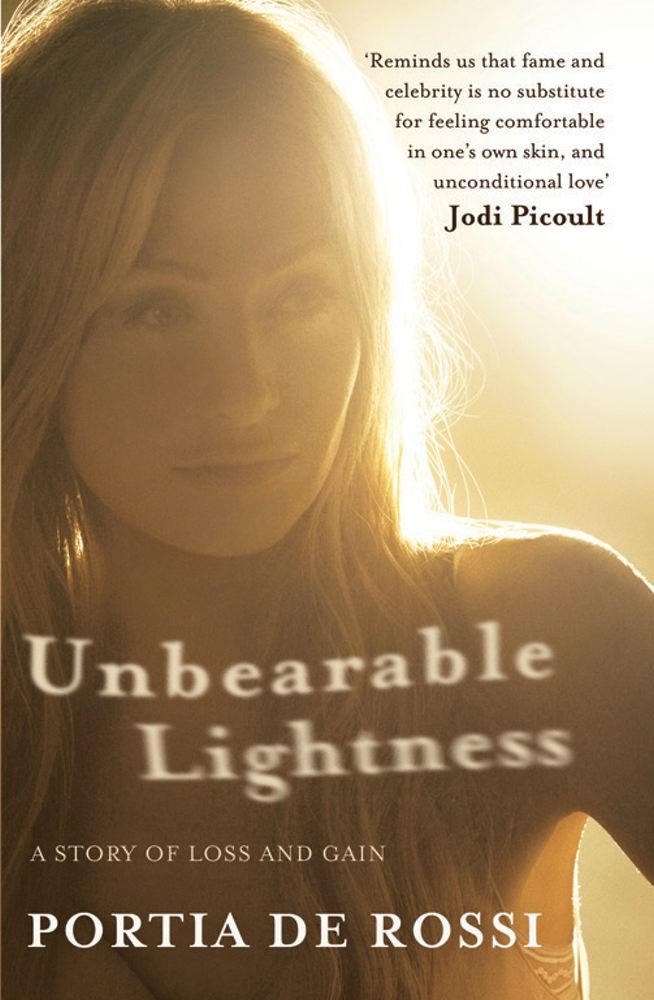
  1. Unbearable Lightness: A Story of Loss and Gain by Portia de Rossi 

When I finally realised I had problems with food and restriction, I was struggling to wrap my head around it. This book helped me understand the severity of what was going on, and again made me feel less alone. It also helped me to understand the way I thought about food was not normal or healthy and how much it was hurting me, because I got to see it from an outside perspective.

I will warn that the details in this book are potentially very triggering and not necessarily helpful to those grappling with disordered eating, so a warning there if you are considering reading it. 

  1. Sedated: How Modern Capitalism Created Our Mental Health Crisis by James Davies 

This book was important to me as I started to be a bit more sceptical and analytical of the major narrative on mental health and the mental health system. I’ve had my fair share of unhelpful and downright damaging interactions with the psychiatric complex, and I started to question how we view, understand, and categorise mental distress, but it’s hard to find any research or information out there that even slightly criticises the accepted narrative. This book not only verbalised new ways to consider these issues but also provided evidence and further studies to explore. Of course, I don’t blindly accept everything in this book either – that would be counterproductive. But it was a huge relief to discover it and really helped me form a foundation for reimagining how we consider mental health and mental health systems within the wider social context of a capitalistic society. 

  1. 4.48 Psychosis by Sarah Kane 

This is actually a play not a book but I’ve only ever read the full script, not seen it performed, though my class did perform extracts as part of coursework, which was another interesting experience. 

In late February/ March 2020 I was experiencing my first mixed episode and it was truly overwhelming and terrifying. Sitting at my teacher’s desk in the drama studio I was scribbling something resembling poetry across several sheets of paper and one of my drama teachers caught a glimpse. They had been doing a truly incredible job of looking after me (something way above their pay grade) but I think by this point they were at a loss for what to do or how to help me process what was happening to me. 

However, upon seeing what I was writing this teacher remarked how it reminded her of Sarah Kane’s work. My teachers had a debate over whether to show me the play or not – after all it’s true it could have definitely triggered me further – but without much else to do, they gave it to me and told me to read it and come up with ideas of how it might be staged (a tactic that provided me a task to complete which was very helpful). 

I read the play and it was the first time in days that I felt anything close to calm or focused. The disorganised, brutal admissions of a mentally ill mind came to life around me and made perfect sense while the world around me seemed to make less and less sense. 

It made me feel seen in ways I had never experienced before, and also helped me realise that creativity doesn’t have to be neat nor does it have to conform to people’s sensibilities. My expression is mine alone and it can be as raw as I choose. 

I will say please use discretion if you’re going to read this and perhaps have someone on stand-by in case it affects you because it is very raw and cuts to the point of pain in a way I don’t think many of us are used to. Also I’d provide a trigger warning for pretty much everything for this one, but especially for self harm, psychiatric trauma, and suicide. 

  1. People, Places, and Things by Duncan Macmillan

Again, this is not actually a book but a play (can you tell theatre is my passion yet?) and I’ve never seen it performed. Emma – the leading lady – is my absolute dream role. 

This is basically a play about a woman’s journey through rehab and addiction into recovery, and I discovered it while still in active addiction but while I was still in denial. I related so much to her and her words; it helped me come to terms with my own addiction. And it gave me hope for recovery. 

Like 4.48 Psychosis some of the lines feel so deeply true it was almost jarring. And the innovation of the structure along with how it could be staged filled me with ideas and excitement for theatre all over again.

Posted in Advocacy, Managing Mental Health, Mental Health, Personal Growth

Journey Through Panic Attacks

The first time I experienced a panic attack I was 11 years old. I had come home early from school that day with a headache and some other physical symptoms I now know were anxiety, and I had gone upstairs to have a nap before dinner. My mum came to wake me up when it was time to eat, but I must have been in the wrong phase of my sleep cycle because I awoke disoriented, thinking it was the morning. We’ve all been there when we wake up not quite sure what’s going on. So I thought it was the morning, and when my mum told me it was time to eat I responded asking about breakfast. There was some confused back and forth with my mum trying to convince me it was in fact dinner time, and still the day before, and I suddenly spiralled into my first panic attack. I don’t remember a whole lot of the details while it was happening, but I do remember how terrifying it was. I remember feeling like I couldn’t breathe; I simply could not get the air into my lungs. I felt faint, and sick, I thought my legs couldn’t hold me up. I don’t know if I had the thought that can come alongside panic attacks where you think you’re going to die, but I knew something was very, very wrong; I definitely thought I was going to faint. Somehow I ended up at the bottom of the stairs, gasping for air and sipping water out of a bottle cap (I think that was the only way I could manage to do it?) as it subsided, and I can still recall the exhaustion after that first one and how foreign it felt. My mum suggested it had been a panic attack, and at that point I didn’t know what that meant. I had no idea they would become such a huge part of my life. 

I have had many panic attacks since this day. I’ve also had some anxiety attacks, which are more prolonged and less intense, and I experience sensory overload too as an autistic young person. Sometimes sensory overload meltdowns and panic attacks can be hard for me to distinguish, and sometimes they overlap or morph into the other, but it’s helpful sometimes to figure out which is which as it can aid in the recovery process both long and short term – for example in a panic attack changing my jumper probably isn’t going to help and may not even be a possibility, but with sensory overload changing the material of my clothing or my environment may help it to subside or avoid it altogether when I feel it building. This year I have felt the strongest mentally overall that I have in a very long time, but I still have panic attacks. Some months I have none; others I have many. For example in May I had seven.

 It’s important to note that while I find the label panic attacks useful, it is a pathologised word. That means there is a certain medical connotation attached to it. However panic attacks are a total overload of our nervous systems; an explosion of tension and anxiety. We cannot talk about expressions of mental distress without recognising that they are often responses to a traumatic and stressful world, whether immediate results of a specific trigger or a build up over time. For example in May I was dealing with exam stress, difficult atmospheres at home, grief for my safe place, and more time on my hands. These all contributed to my spike in panic attacks I have no doubt. Other times I may make it to the other side of a stressful event and then experience panic attacks, almost like a hangover of emotions. It’s not an individual failure, but an understandable reaction to a difficult world. You are not broken for experiencing anxiety. You are not shameful for having panic attacks. 

I am a firm believer that to appreciate life fully we need to be able to laugh, even at the bad stuff. There are certain events surrounding some of my panic attacks that I find kind of hilarious looking back on and that helps me to deal with any embarrassment or regret surrounding them I may have. For example, I have terrible stage fright (despite being an actress, ironic I know). Before the final dress rehearsal for Bugsy Malone – my first show in a proper theatre – I had a panic attack in the wings. I was crouched behind a prop box in heels I could barely walk in and my tailored sparkly dress writhing my legs in pain and sobbing without air. It was a pretty desperate moment, though the juxtaposition itself is amusing looking back. The next thing I remember is a stagehand saying into their walkie talkie ‘can someone please come and remove the fire hazard from the wings?’. I was the fire hazard because I couldn’t move myself out of the way, and I was carried back to my dressing room by my director. Talk about a diva moment. Looking back I cannot help but laugh at the absurdity of the experience. 

That particular panic attack also showed me how loving people can be. I hope that someday everyone experiencing mental health issues gets to experience the pure love and support that I did that day. I had to go on stage just after recovering to do a mic check. I was so exhausted – my bones were heavy; the exhaustion of a panic attack travels to your core and can make you feel like your body isn’t your own – so all I could do was stand centre stage. The rest of the cast sat in the audience as I weakly sang ‘My Name is Tallulah’. Half way through the song I raised my eyes and saw that they were all swaying along, waving their hands in the air; at the end of the song they stood up and cheered and called out encouragement. It was beautiful. No one judged, no one whispered or pointed. They rallied and supported me. That’s what we all deserve. 

Another amusing panic memory was when I fell on my face in the mud on a rainy day trying to escape prying eyes and instead drawing them all to me; again, it wasn’t as embarrassing or well remembered as I feared it would be. Or when my teacher gave me their scarf to wrap around me and help me feel safer and I immediately snotted into it – I got to keep that for a while rather than immediately returning it. Or the time I went to get help while having a panic attack but there was already a girl in the office having a panic attack and it became like a queue for a very strange and unwanted product.

 I’ve been alone on bathroom floors, writhed my legs, hit my chest, backed myself into literal corners to try and feel a bit safer, thought I was going to die, taken off most of my clothes because I thought my skin was going to burn, and just general cried and made weird sounds while trying to breathe. Point of all of this is – I survived. And each one has become a little easier to recover from. The worst a panic attack will do is make you pass out; it cannot kill you. Remember that – it cannot kill you. If you are having one, it is horrible and tiring and painful, but you are safe. And if you are with someone experiencing one it’s ok to remind them of that; if you can recognise what it is and call it what it is. Tell them it’s a panic attack and that they are safe. Often it helps not to try and suppress it either but rather to ride it out, let it be. Because they are not the end of the world, but they are super scary and it’s ok to recognise that too. 

I hope that maybe reading this has helped someone feel a little less alone in their experience. If you’d like a more in depth guide on how I deal with my panic attacks let me know in the comments below! Sending love and support to you all today! Xx